

Are heat sinks used in computers only? Well, let me tell you, as a heat sink supplier, I've seen heat sinks popping up in all sorts of places, not just inside your computer.

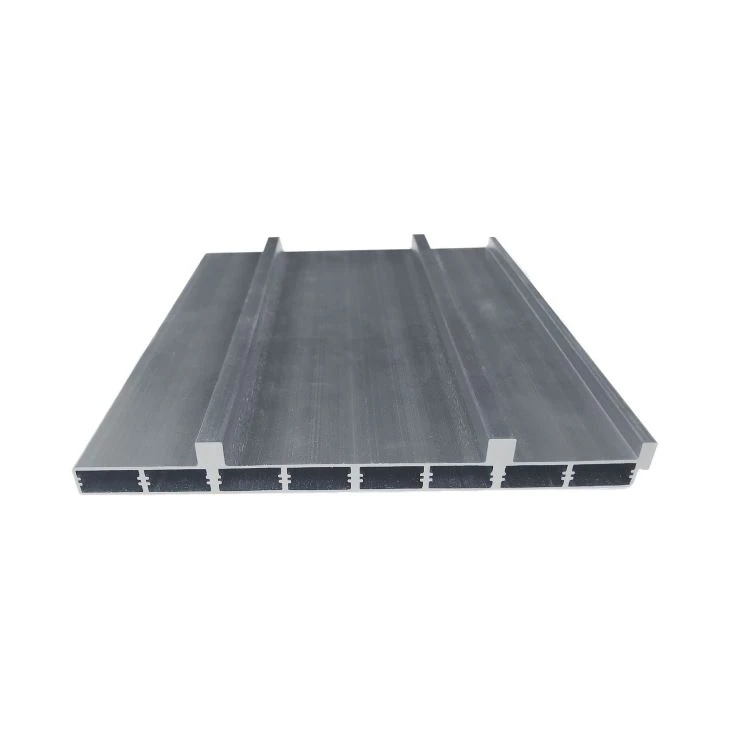
First off, let's talk about what a heat sink is. In simple terms, a heat sink is a device that helps to dissipate heat. It does this by increasing the surface area over which heat can be transferred to the surrounding environment. The most common type of heat sink is made from a metal, like aluminum, because metals are good conductors of heat.
You're probably familiar with heat sinks in computers. They're usually attached to the CPU (Central Processing Unit) to keep it from overheating. When your computer is working hard, say running a game or doing some heavy-duty video editing, the CPU generates a lot of heat. If that heat isn't dissipated, the CPU can overheat, which can lead to all sorts of problems, like system crashes or even permanent damage to the CPU. That's where the heat sink comes in. It absorbs the heat from the CPU and transfers it to the air around it, keeping the CPU at a safe temperature.
But computers aren't the only place you'll find heat sinks. One of the other big areas where heat sinks are used is in the electronics industry. Think about all the electronic devices you use every day - your smartphone, your tablet, your smartwatch. These devices all have tiny processors inside them that generate heat when they're in use. To prevent these devices from overheating, manufacturers use heat sinks. For example, in a smartphone, a heat sink might be used to cool the processor or the battery.
Another area where heat sinks are used is in the automotive industry. Modern cars are full of electronics, from the engine control unit to the infotainment system. These electronics generate heat, and heat sinks are used to keep them cool. In some high-performance cars, heat sinks are even used to cool the brakes. When you're driving fast and then hit the brakes, a lot of heat is generated. Heat sinks can help to dissipate this heat, preventing the brakes from overheating and reducing their effectiveness.
Now, let's talk about some of the different types of heat sinks we offer. One of our popular products is the Aluminium Alloy Heat Sink. Aluminium alloy is a great material for heat sinks because it's lightweight, corrosion-resistant, and a good conductor of heat. These heat sinks are used in a wide range of applications, from computers to electronics to automotive.
We also offer Aluminum Profile for 5G Signal Tower. With the rollout of 5G technology, there's a growing need for efficient heat dissipation in 5G signal towers. These aluminum profiles are designed to help cool the electronic components in the towers, ensuring that they operate at optimal temperatures.
And then there's the Cross Cutting of Flat Fins. This is a technique we use to increase the surface area of the heat sink, which in turn improves its heat dissipation capabilities. By cross-cutting the flat fins, we can create more surface area for heat to be transferred to the air, making the heat sink more efficient.
So, as you can see, heat sinks are used in a lot more places than just computers. They're an essential part of many different industries, helping to keep electronic devices and components cool and functioning properly.
If you're in the market for heat sinks, whether it's for a computer, an electronic device, or an automotive application, we'd love to hear from you. We have a wide range of heat sinks to choose from, and our team of experts can help you find the right one for your needs. So, don't hesitate to reach out and start a conversation about your heat sink requirements. We're here to help you keep things cool!
References
- General knowledge about heat sinks and their applications in various industries.
- Product information from our heat sink catalog.