

When it comes to selecting the right frame aluminum, there are numerous factors to consider. As a frame aluminum supplier, I've had the privilege of working with a wide range of clients, each with unique requirements and preferences. In this blog post, I'll share some insights on how to make an informed decision when choosing frame aluminum.
Understanding Your Needs
The first step in choosing the right frame aluminum is to understand your specific needs. Are you using it for a residential window frame, a commercial building facade, or perhaps a custom - made piece of furniture? Different applications demand different properties from the aluminum.
For instance, if you're building a window frame for a coastal area, the aluminum needs to be highly resistant to corrosion. Saltwater can be extremely corrosive, and using a low - quality or non - corrosion - resistant aluminum can lead to premature degradation. On the other hand, if you're using the aluminum for an interior furniture frame, aesthetics and ease of finishing might be your primary concerns.
Alloy Selection
Aluminum is rarely used in its pure form. Instead, it is alloyed with other metals to enhance its properties. Some of the most common alloys used for frame aluminum include 6061 and 6063.
The 6061 alloy is known for its high strength and excellent corrosion resistance. It is often used in structural applications where the frame needs to bear significant loads. For example, in large - scale commercial building frames or heavy - duty industrial equipment frames. The 6061 alloy can also be heat - treated to further improve its strength.
The 6063 alloy, on the other hand, is more commonly used for architectural applications. It has a smooth surface finish, which makes it ideal for window frames, door frames, and decorative elements. It is also easier to extrude into complex shapes compared to 6061, allowing for more design flexibility.
Surface Finish
The surface finish of the frame aluminum not only affects its appearance but also its durability. There are several types of surface finishes available, each with its own advantages.
Anodizing is one of the most popular surface treatments for aluminum frames. Anodizing creates a protective oxide layer on the surface of the aluminum, which enhances its corrosion resistance and provides a hard, durable finish. It also allows for a wide range of color options, making it suitable for both modern and traditional designs.
Powder coating is another common surface finish. It involves applying a dry powder to the aluminum frame and then baking it to form a smooth, even coating. Powder coating offers excellent color retention and is highly resistant to chipping, scratching, and fading. It is a great option for frames that will be exposed to harsh environmental conditions.
Tolerance and Precision
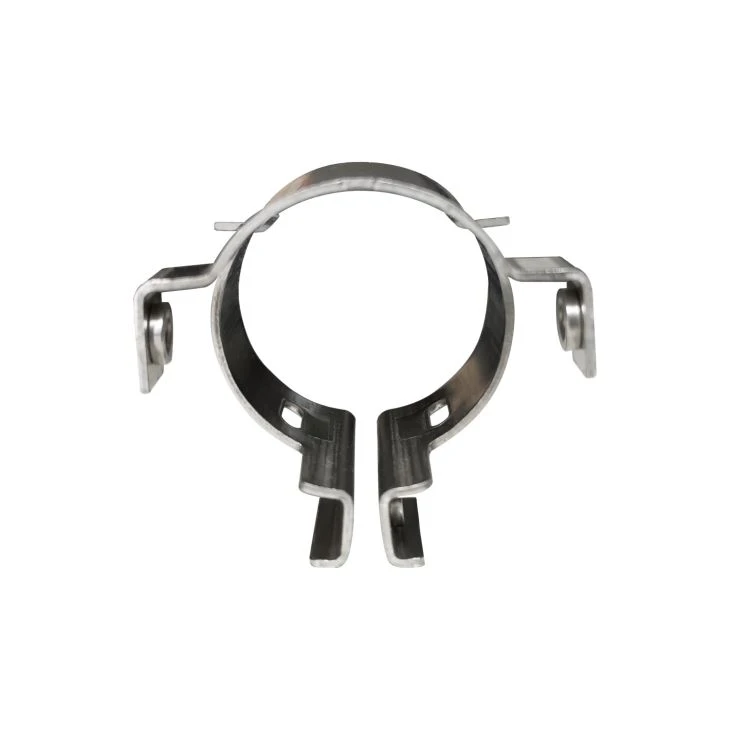
In some applications, such as in the manufacturing of Sheet Metal Stamping Part, Electrical Metal Stamping Parts, and Precision Metal Stamping Parts, tight tolerances and high precision are crucial. When choosing frame aluminum, you need to ensure that the supplier can meet your required tolerances.
Precision - made aluminum frames are essential for proper fit and function. For example, in the assembly of electronic devices, a frame with inaccurate dimensions can lead to problems such as poor alignment of components or difficulty in closing the device. A reliable supplier should have advanced manufacturing equipment and quality control processes in place to ensure the precision of the frames.

Cost - Effectiveness
Cost is always a consideration when choosing frame aluminum. However, it's important to look beyond the initial purchase price. A lower - cost aluminum frame may end up being more expensive in the long run if it requires frequent maintenance or replacement due to poor quality.
When evaluating the cost - effectiveness of frame aluminum, consider factors such as its durability, energy efficiency, and ease of installation. For example, a high - quality, energy - efficient aluminum window frame may have a higher upfront cost but can result in significant savings on energy bills over time.
Supplier Reputation
The reputation of the supplier is a critical factor in choosing the right frame aluminum. A reputable supplier will have a track record of providing high - quality products and excellent customer service.
Look for suppliers who have been in the industry for a long time and have positive reviews from their customers. A good supplier should be able to provide technical support, offer customized solutions, and ensure timely delivery. They should also be transparent about their manufacturing processes and quality control measures.
Sustainability
In today's environmentally - conscious world, sustainability is becoming an increasingly important consideration. Aluminum is a highly sustainable material as it is 100% recyclable without losing its properties.
When choosing frame aluminum, look for suppliers who use recycled materials in their manufacturing processes and have environmentally - friendly production methods. This not only helps to reduce the environmental impact but also shows that the supplier is committed to sustainable practices.
Conclusion
Choosing the right frame aluminum involves a careful consideration of your specific needs, alloy selection, surface finish, tolerance, cost - effectiveness, supplier reputation, and sustainability. By taking the time to evaluate these factors, you can ensure that you select a frame aluminum that meets your requirements and provides long - term value.
If you're in the market for high - quality frame aluminum, I encourage you to reach out and start a conversation. As a frame aluminum supplier, I'm here to help you find the perfect solution for your project. Whether you need a standard product or a customized design, I can provide you with the expertise and support you need. Contact me today to discuss your requirements and let's work together to create the ideal frame aluminum for your application.
References
- Aluminum Association. (2023). Aluminum Alloys and Their Applications.
- ASM International. (2022). Metal Handbook: Properties and Selection - Nonferrous Alloys and Pure Metals.
- National Association of Home Builders. (2023). Energy - Efficient Building Materials.