

Hey there! As a supplier of LED housing, I've seen my fair share of different brands out there. And let me tell you, comparing them can be a real headache. But don't worry, I'm here to help you navigate through the maze and make an informed decision.
First off, let's talk about the key factors you should consider when comparing different brands of LED housing. These factors will give you a good idea of the quality, performance, and value of each brand.
1. Material Quality
The material used in the LED housing is crucial. It affects not only the durability but also the heat dissipation. Most LED housings are made of aluminum or plastic. Aluminum is a great choice because it's a good conductor of heat, which helps keep the LEDs cool. Plastic, on the other hand, is lighter and more affordable, but it may not dissipate heat as effectively.
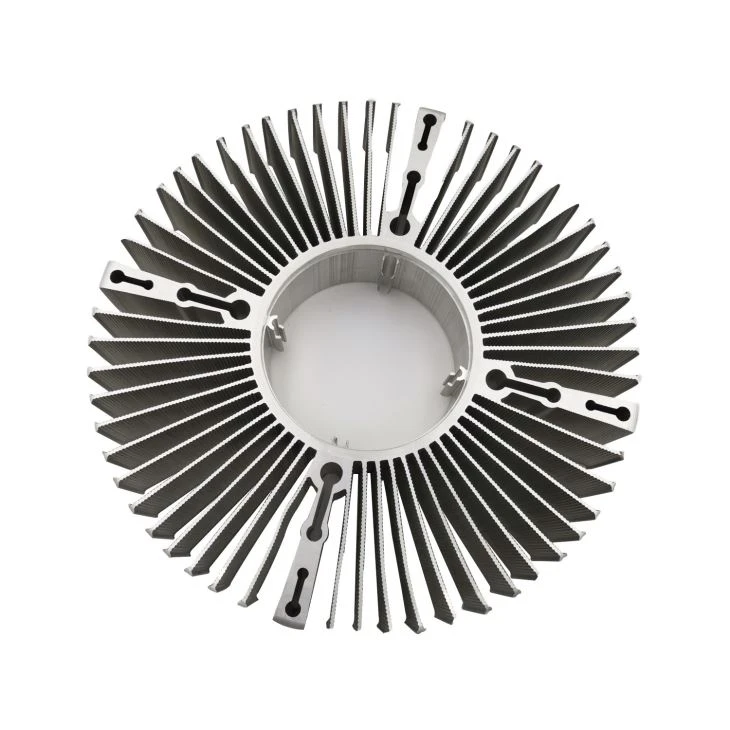
For example, if you're looking for a high - quality heat - dissipating option, you might want to check out the Round Processing Extruded Aluminum Heat Sink. This type of heat sink is made of aluminum and is designed to efficiently transfer heat away from the LEDs.
2. Design and Compatibility
The design of the LED housing matters a lot. It should be easy to install and compatible with the LEDs you're using. Some brands offer universal designs that can fit a wide range of LED modules, while others are more specialized.
Think about the shape, size, and mounting options. A well - designed housing will make the installation process a breeze and ensure that the LEDs are properly secured. If you're dealing with solid - state relays, you might be interested in the Solid State Relay Heatsink, which is designed specifically to work with solid - state relays and provides efficient heat dissipation.
3. Light Output and Distribution
The whole point of using LEDs is to get good light output. Different brands may have different levels of brightness and light distribution. You want to choose a brand that can provide the right amount of light for your application.
Some brands use advanced optics to control the light distribution, ensuring that the light is evenly spread and focused where you need it. This is especially important in applications like commercial lighting or automotive lighting.
4. Energy Efficiency
In today's world, energy efficiency is a big deal. LED housings should be designed to maximize energy efficiency, which means using less power while still providing the same amount of light.
When comparing brands, look for those that are Energy Star certified or have a high energy efficiency rating. This will not only save you money on your energy bills but also be better for the environment.
5. Price
Of course, price is always a factor. You want to get the best value for your money. But remember, the cheapest option isn't always the best. Sometimes, you have to pay a little more for better quality and performance.
Compare the prices of different brands while keeping in mind the factors we've discussed above. A slightly more expensive housing may be worth it if it offers better durability, heat dissipation, and light output.
6. Warranty and Support
A good warranty is a sign of a reliable brand. If something goes wrong with the LED housing, you want to know that the manufacturer will back it up. Look for brands that offer a decent warranty period and good customer support.
This way, if you run into any issues, you can get help quickly and easily. A brand that stands behind its products gives you peace of mind.
7. Brand Reputation
Do some research on the brand's reputation. Read customer reviews and testimonials. A well - respected brand is more likely to produce high - quality products.

Check online forums, industry websites, and social media to see what other people are saying about the brand. If a brand has a lot of positive reviews and a good track record, it's a good sign.
Now, let's take a look at how you can actually compare different brands.
Step 1: Make a List
First, make a list of the brands you're interested in. You can do this by researching online, asking for recommendations from colleagues or industry experts, or visiting trade shows.
Step 2: Gather Information
For each brand on your list, gather as much information as you can. Look at their product specifications, brochures, and websites. Pay attention to the factors we discussed earlier, such as material quality, design, light output, energy efficiency, price, warranty, and brand reputation.
Step 3: Compare the Data
Once you have all the information, create a comparison chart. List the brands on one side and the factors on the other. This will make it easier to see how each brand stacks up against the others.
Step 4: Test the Products (if possible)
If you have the opportunity, test the LED housings from different brands. This will give you a firsthand experience of their performance and quality. You can test the light output, heat dissipation, and ease of installation.
Step 5: Make a Decision
Based on your comparison and testing, make a decision on which brand is the best fit for your needs. Consider your budget, the specific requirements of your application, and your long - term goals.
As a LED housing supplier, I understand the importance of finding the right brand for your project. We offer a wide range of high - quality LED housings that meet the highest standards. Whether you're looking for a housing for a small residential project or a large commercial installation, we've got you covered.
If you're interested in learning more about our LED housings or have any questions about comparing different brands, feel free to reach out. We're here to help you make the best decision for your lighting needs.
In conclusion, comparing different brands of LED housing is not an easy task, but by considering the key factors and following the steps outlined above, you can make an informed decision. And if you need a reliable supplier, we're just a message away.
Let's start a conversation about your LED housing needs and find the perfect solution together.
References:
- General knowledge about LED technology and lighting industry standards.
- Product specifications and brochures from various LED housing manufacturers.