

Hey there! As a supplier in the CNC machining game, I've seen firsthand how folks often scratch their heads over the costs involved. So, let's break it down and figure out what really goes into the price tag of CNC machining.
First off, the raw materials are a huge factor. Different materials come with different price points. For example, if you're looking at Aluminium Parts, aluminium is generally more affordable compared to some high - end alloys. Aluminium is lightweight, corrosion - resistant, and easy to machine, which makes it a popular choice for a wide range of applications. But if you need a material with super - high strength and heat resistance, like titanium, you're going to pay a premium. Titanium is tough to machine, and the raw material itself is quite expensive.
The complexity of the part design also plays a massive role. Simple parts with basic geometries are a breeze to machine. They require less time on the CNC machine, fewer tool changes, and less programming. On the other hand, parts with intricate shapes, tight tolerances, and a lot of features are a whole different ballgame. For instance, Precision Machined Parts that need to be machined to within a few thousandths of an inch require specialized tools, more precise programming, and a higher level of operator skill. This all adds up to a higher cost.
Let's talk about the CNC machine itself. There are different types of CNC machines, such as mills, lathes, and routers, each with its own capabilities and price ranges. A basic CNC mill might be sufficient for simple jobs, but if you need multi - axis machining for complex 3D parts, you'll need a more advanced and expensive machine. The cost of operating these machines includes not only the purchase price but also maintenance, tooling, and energy consumption.
Tooling is another significant expense. Cutting tools wear out over time, and the cost of replacing them can add up quickly. High - quality tools are more expensive upfront, but they often last longer and can produce better - quality parts. For example, carbide tools are known for their durability and ability to cut through tough materials, but they're pricier than standard high - speed steel tools.
Labor costs are also a key component. Skilled CNC operators are in high demand, and their expertise comes at a cost. An experienced operator can set up the machine correctly, optimize the machining process, and troubleshoot any issues that arise. Training an operator to work with CNC machines takes time and resources, so companies need to factor in these costs when pricing their services.

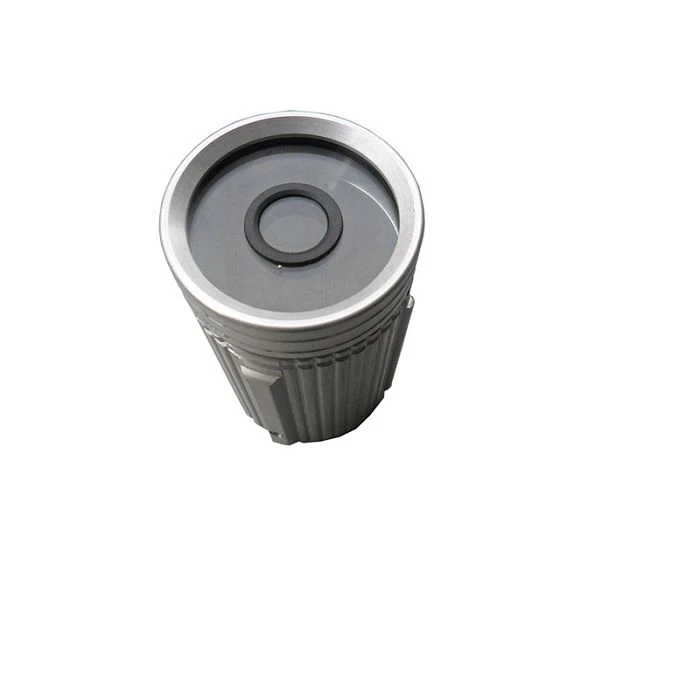
Post - processing is something that many people overlook when calculating the cost of CNC machining. After the part is machined, it might need additional finishing operations like deburring, polishing, or Anodizing Aluminum Parts. Anodizing, for example, not only enhances the appearance of aluminium parts but also improves their corrosion resistance. However, these post - processing steps require additional equipment, materials, and labor, which all contribute to the final cost.
Volume of production is yet another aspect. If you're ordering a large quantity of parts, the cost per part can be significantly lower. This is because many of the setup costs, such as programming the CNC machine and creating the necessary tooling, are spread out over a larger number of parts. On the flip side, small - batch production often has a higher per - part cost because these setup costs have to be covered by a smaller number of parts.
Quality control is non - negotiable in the CNC machining industry. Every part needs to meet certain quality standards, and this requires inspection and testing. Quality control measures can include using precision measuring tools like calipers, micrometers, and coordinate measuring machines (CMMs). The cost of these tools, as well as the time and labor involved in inspecting each part, is factored into the overall cost.
Market conditions also have an impact on the cost of CNC machining. If there's a high demand for CNC machining services and a limited supply of skilled operators and machines, prices are likely to go up. Conversely, in a more competitive market, companies may lower their prices to attract customers.
So, as you can see, the cost of CNC machining is influenced by a whole bunch of factors. It's not just about the raw materials and the time on the machine. When you're looking for a CNC machining supplier, it's important to consider all these elements and find a balance between cost and quality.
If you're in the market for CNC machining services, I'd love to have a chat with you. Whether you need Precision Machined Parts, Aluminium Parts, or parts that require Anodizing Aluminum Parts, I'm here to help you get the best value for your money. Don't hesitate to reach out and start a conversation about your project.
References:
- General knowledge of the CNC machining industry
- Experience as a CNC machining supplier