

A heat sink is a crucial component in a server system, designed to dissipate heat generated by electronic components, such as CPUs, GPUs, and other high - power chips. As a heat sink supplier, I understand the importance of a well - designed heat sink in maintaining the optimal performance and longevity of servers.
The Importance of Heat Sink in Servers
Servers are the backbone of modern data centers, handling a vast amount of data processing, storage, and network traffic. Electronic components in servers, especially processors, generate a significant amount of heat during operation. Excessive heat can lead to a range of problems, including reduced performance, system instability, and even permanent damage to the components.
For instance, high temperatures can cause a CPU to throttle its clock speed to prevent overheating. This throttling reduces the processing power of the CPU, leading to slower data processing and longer response times. Over time, continuous exposure to high temperatures can also degrade the materials in the electronic components, shortening their lifespan.
A properly designed heat sink can effectively transfer the heat away from the source and into the surrounding environment, ensuring that the components operate within their safe temperature range. This not only improves the performance and reliability of the server but also reduces the total cost of ownership by minimizing the need for component replacement.
Key Factors in Heat Sink Design for Servers
1. Thermal Conductivity
The thermal conductivity of the heat sink material is one of the most important factors in heat sink design. Materials with high thermal conductivity can transfer heat more efficiently from the heat source to the heat sink fins. Common materials used for heat sinks include aluminum and copper.
Aluminum is a popular choice due to its relatively low cost, lightweight, and good thermal conductivity. It has a thermal conductivity of around 200 W/(m·K). Copper, on the other hand, has a much higher thermal conductivity, approximately 400 W/(m·K), but it is heavier and more expensive. In some high - performance server applications, copper heat sinks or heat sinks with copper cores are used to achieve better heat dissipation.
2. Surface Area
The surface area of the heat sink plays a crucial role in heat dissipation. A larger surface area allows for more heat to be transferred to the surrounding air. Heat sink fins are commonly used to increase the surface area. The shape, size, and density of the fins can significantly affect the heat transfer efficiency.
For example, pin - fin heat sinks have a large number of small pins that protrude from the base, providing a large surface area. Plate - fin heat sinks, on the other hand, consist of flat plates attached to the base. The choice between different fin designs depends on the specific requirements of the server application, such as the available space and the airflow conditions.
3. Airflow
Proper airflow is essential for effective heat dissipation. The heat sink should be designed to work in harmony with the server's cooling system, which may include fans or liquid cooling. In a forced - air cooling system, the heat sink should be oriented in a way that allows the air to flow smoothly over the fins.
The design of the heat sink can also affect the airflow resistance. A heat sink with high airflow resistance can reduce the air velocity and, therefore, the heat transfer efficiency. Some heat sink designs incorporate features such as angled fins or smooth surfaces to minimize airflow resistance.
4. Size and Form Factor
The size and form factor of the heat sink must be compatible with the server's internal space. Servers come in various form factors, such as rack - mounted servers, blade servers, and tower servers. Each form factor has its own space limitations, and the heat sink must be designed to fit within these constraints.
In addition, the size of the heat sink should be proportional to the heat generation of the components. A heat sink that is too small may not be able to dissipate the heat effectively, while a heat sink that is too large may take up unnecessary space and increase the cost.
Different Types of Heat Sinks for Servers
1. Machined Heatsink
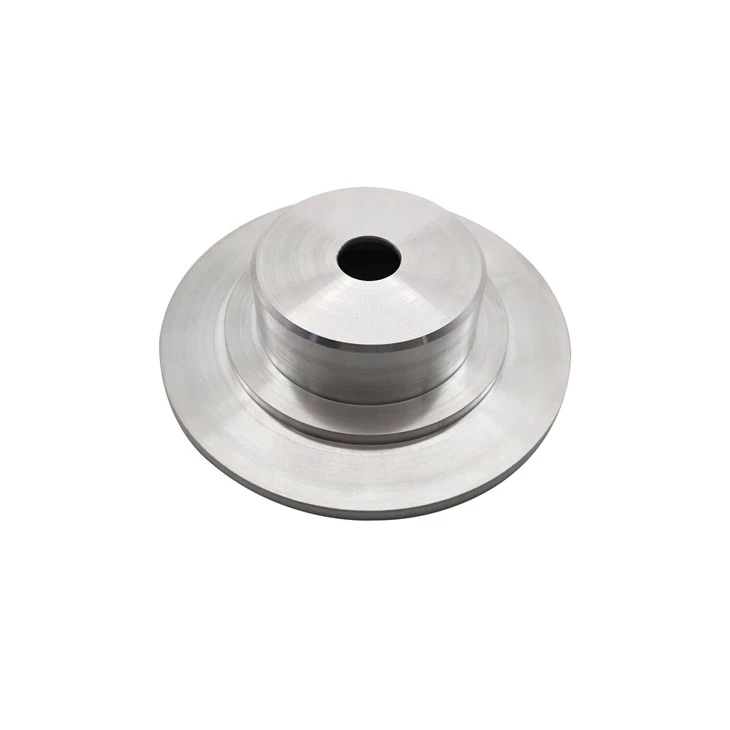
Machined Heatsink is a type of heat sink that is precisely manufactured through machining processes. Machined heat sinks can be made from various materials, including aluminum and copper. They offer high precision and can be customized to meet the specific requirements of server applications.
The machining process allows for the creation of complex fin geometries, which can enhance the heat transfer efficiency. Machined heat sinks are often used in high - end servers where precise cooling solutions are required.
2. Custom Machined Parts
Custom Machined Parts are another option for server heat sinks. These parts can be designed and manufactured according to the unique specifications of the server. Custom machining allows for the optimization of the heat sink design, taking into account factors such as the shape of the components, the available space, and the cooling requirements.
For example, a custom - machined heat sink can be designed to fit around irregularly shaped components or to integrate with other server components for more efficient cooling.
3. LED Heat Sink
Although LED heat sinks are more commonly associated with lighting applications, they can also be used in some server applications, especially those that involve LED indicators or display panels. LED Heat Sink is designed to dissipate the heat generated by LEDs, which can also be a source of heat in a server environment.
LED heat sinks are typically small in size and can be designed to be highly efficient in dissipating the relatively low - level heat generated by LEDs.

Design Process for Server Heat Sinks
The design process for server heat sinks typically involves the following steps:
1. Requirement Analysis
The first step is to understand the specific requirements of the server application. This includes determining the heat generation of the components, the available space, the airflow conditions, and the operating environment. By analyzing these requirements, we can define the key parameters for the heat sink design.
2. Material Selection
Based on the requirements analysis, the appropriate material for the heat sink is selected. As mentioned earlier, factors such as thermal conductivity, cost, and weight need to be considered.
3. Conceptual Design
In this step, we develop a conceptual design for the heat sink. This includes determining the overall shape, the type of fins, and the size of the heat sink. Computer - aided design (CAD) software is often used to create 3D models of the heat sink for visualization and analysis.
4. Thermal Analysis
Once the conceptual design is complete, thermal analysis is performed using software tools. These tools can simulate the heat transfer process and predict the performance of the heat sink. Based on the results of the thermal analysis, the design can be optimized to improve the heat dissipation efficiency.
5. Prototyping and Testing
After the design is optimized, a prototype of the heat sink is manufactured. The prototype is then tested in a real - world or simulated server environment to verify its performance. Any necessary adjustments are made based on the test results.
6. Mass Production
Once the prototype has passed the testing phase, the heat sink can be mass - produced. Quality control measures are implemented during the production process to ensure that each heat sink meets the required specifications.
Conclusion
A well - designed heat sink is essential for the optimal performance and reliability of servers. As a heat sink supplier, we are committed to providing high - quality heat sink solutions that meet the diverse needs of server applications.
By considering factors such as thermal conductivity, surface area, airflow, and size, we can design heat sinks that effectively dissipate heat and keep server components cool. Whether it is a Machined Heatsink, Custom Machined Parts, or LED Heat Sink, we have the expertise and capabilities to provide customized solutions.
If you are in need of heat sinks for your server applications, we invite you to contact us for further discussion and procurement. Our team of experts will work closely with you to understand your requirements and provide the most suitable heat sink solutions.
References
- Incropera, F. P., & DeWitt, D. P. (2002). Fundamentals of Heat and Mass Transfer. John Wiley & Sons.
- Bergman, T. L., Lavine, A. S., Incropera, F. P., & DeWitt, D. P. (2011). Introduction to Heat Transfer. John Wiley & Sons.