

In the dynamic world of LED technology, the choice between detached and attached LED housing is a critical decision that can significantly impact both the performance and cost of lighting solutions. As a seasoned LED Housing price supplier, I've witnessed firsthand the diverse needs and preferences of our clients. In this blog, I'll delve into the price comparison between detached and attached LED housing, exploring the factors that influence their costs and helping you make an informed decision for your next project.
Understanding Detached and Attached LED Housing
Before we dive into the price comparison, let's clarify what detached and attached LED housing mean. Detached LED housing refers to a separate enclosure that is not directly integrated with the LED light source. This type of housing provides flexibility in terms of installation and maintenance, as it can be easily removed or replaced without affecting the LED module. On the other hand, attached LED housing is directly connected to the LED light source, forming a single unit. This design often results in a more compact and streamlined appearance, but it may limit access to the internal components for maintenance.
Factors Affecting the Price of Detached and Attached LED Housing
Several factors contribute to the price difference between detached and attached LED housing. Understanding these factors can help you evaluate the cost-effectiveness of each option for your specific application.
1. Material and Construction
The materials used in the construction of LED housing play a significant role in determining its price. Detached LED housing is typically made from a variety of materials, including plastic, aluminum, and stainless steel. Plastic housing is generally the most affordable option, offering lightweight and corrosion-resistant properties. Aluminum housing, on the other hand, is more durable and provides better heat dissipation, making it suitable for high-power LED applications. Stainless steel housing is the most expensive option, but it offers superior strength and resistance to harsh environments.
Attached LED housing often uses similar materials, but the manufacturing process may be more complex due to the integration of the LED light source. This can result in higher production costs, which are reflected in the price of the product.
2. Design and Complexity
The design and complexity of the LED housing also impact its price. Detached LED housing can come in a wide range of shapes and sizes, allowing for greater flexibility in design. Customized designs may require additional tooling and manufacturing processes, which can increase the cost. However, standard off-the-shelf designs are generally more affordable and readily available.
Attached LED housing, on the other hand, is often designed to match the specific requirements of the LED light source. This may involve more intricate designs and precise manufacturing tolerances, which can drive up the price. Additionally, attached housing may require specialized connectors or mounting mechanisms, further adding to the cost.
3. Heat Dissipation
Efficient heat dissipation is crucial for the performance and longevity of LED lights. Detached LED housing can incorporate various heat dissipation methods, such as heat sinks and fans. Electrical Heat Sink and Aluminium Vapor Chamber Heat Sink are examples of high-quality heat sink solutions that can enhance the heat dissipation capabilities of detached LED housing. These heat sinks can be customized to meet the specific thermal requirements of the LED light source, but they may also increase the overall cost of the housing.
Attached LED housing may also require heat dissipation features, but the design and integration of these features can be more challenging. In some cases, the LED light source may be directly mounted on a heat sink, which can reduce the need for additional housing components. However, this approach may limit the flexibility of the design and increase the cost of the LED module.
4. Quantity and Volume
The quantity and volume of LED housing you order can also affect the price. As a supplier, we offer volume discounts for large orders, which can significantly reduce the unit cost of the housing. If you have a small-scale project, the price per unit may be higher due to the fixed costs associated with production and shipping. However, for large-scale projects, the economies of scale can make detached or attached LED housing more cost-effective.
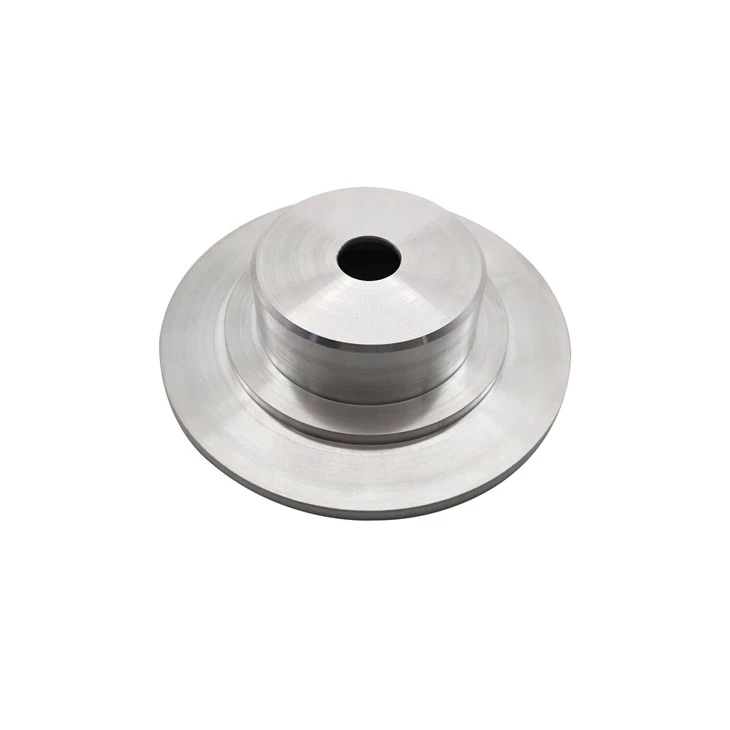

Price Comparison: Detached vs. Attached LED Housing
Based on the factors mentioned above, the price of detached and attached LED housing can vary significantly. In general, detached LED housing is more affordable than attached housing, especially for standard off-the-shelf designs. The flexibility in design and installation options allows for greater cost savings, as you can choose the most suitable housing for your specific needs without incurring additional customization costs.
However, for applications where a compact and streamlined appearance is required, attached LED housing may be a better option. The integrated design can provide a more professional and finished look, but it may come at a higher price. Additionally, attached housing may offer better protection for the LED light source, reducing the risk of damage during installation and operation.
It's important to note that the price comparison between detached and attached LED housing is not always straightforward. The specific requirements of your project, such as the type of LED light source, the environment in which it will be used, and the desired level of performance, will ultimately determine which option is the most cost-effective.
Making the Right Choice for Your Project
When deciding between detached and attached LED housing, it's essential to consider your budget, performance requirements, and aesthetic preferences. Here are some tips to help you make the right choice:
1. Evaluate Your Needs
Start by assessing the specific requirements of your project. Consider factors such as the type of LED light source, the power consumption, the operating environment, and the desired level of protection. This will help you determine the most suitable housing option for your needs.
2. Compare Prices
Obtain quotes from multiple suppliers for both detached and attached LED housing. Compare the prices based on the features, materials, and quality of the housing. Don't forget to factor in any additional costs, such as shipping and taxes.
3. Consider Customization
If you have unique requirements for your LED housing, consider the option of customization. While customized housing may be more expensive, it can provide a better fit for your application and enhance the overall performance of your LED lights. Custom Machined Parts can be used to create custom LED housing that meets your specific design and functionality requirements.
4. Look for Quality and Reliability
When choosing LED housing, it's important to prioritize quality and reliability. Look for suppliers who offer high-quality products that are tested and certified to meet industry standards. A reliable housing can protect your LED lights from damage and ensure their long-term performance.
Contact Us for LED Housing Solutions
As a leading LED Housing price supplier, we offer a wide range of detached and attached LED housing options to meet the diverse needs of our clients. Our experienced team can help you select the most suitable housing for your project and provide customized solutions if required. We are committed to providing high-quality products at competitive prices, along with excellent customer service.
If you're interested in learning more about our LED housing products or would like to discuss your specific requirements, please don't hesitate to contact us. We look forward to working with you to find the best LED housing solution for your project.
References
- "LED Lighting Handbook: Design, Application, and Technology" by John C. Lin
- "Heat Sink Design and Thermal Management" by Avi Bar-Cohen and Richard A. Simon