

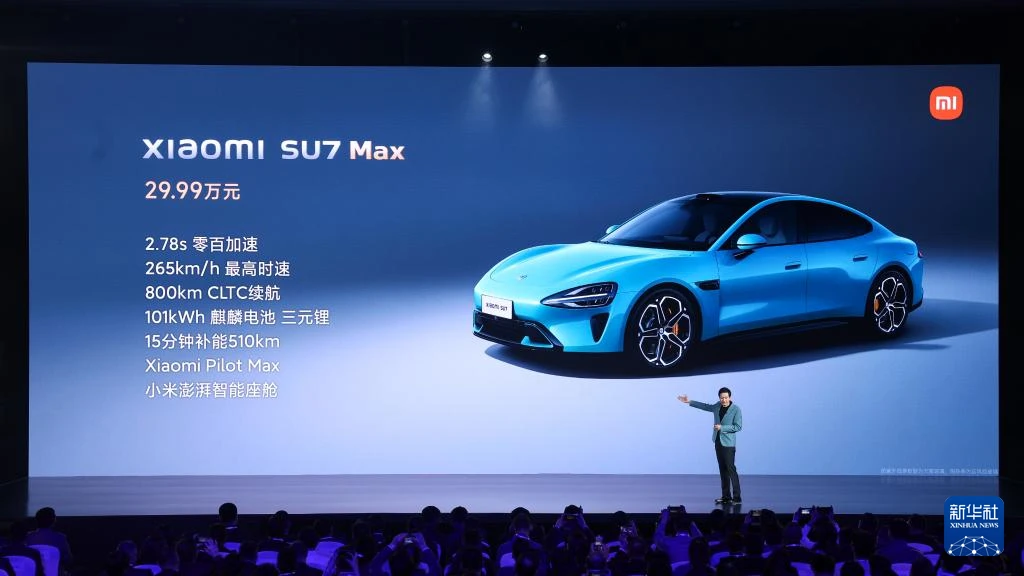
The electric vehicle (EV) market is rapidly evolving with new technologies and models that promise efficiency, sustainability, and unmatched performance. One of the latest entrants that's reshaping the landscape is Xiaomi's SU7, a beacon of new energy vehicles that boasts staggering sales figures with a record-breaking 88,898 units ordered in just the first 24 hours of its release. The market dominance of the Xiaomi SU7 has set a precedent, taking China's automotive craft from simply "Made in China" to "Intelligently Manufactured in China."
The Xiaomi SU7 exemplifies a new era for Chinese new energy automobiles. The SU7 boasts impressive specifications such as a 2.78-second 0-100 km/h acceleration, a maximum speed of 265 km/h, and a CLTC range of 800 km thanks to its 101 kWh Kirin battery. This powerhouse of an EV can also rapidly replenish its energy, garnering 510 km of range in a mere 15 minutes. These remarkable features are complemented by Xiaomi's Pilot Max intelligent cockpit, setting new benchmarks in the industry.

Partnership with Pioneering Enterprises
Kaixin Enterprise has had the privilege of contributing to this transformative era of new energy vehicles, providing vital components to renowned automotive companies. Kaixin's role in advancing the EV industry centers around the supply of key aluminum components - essential for the lightweight, efficient, and high-performance demands of modern EVs.
our casey In EV's
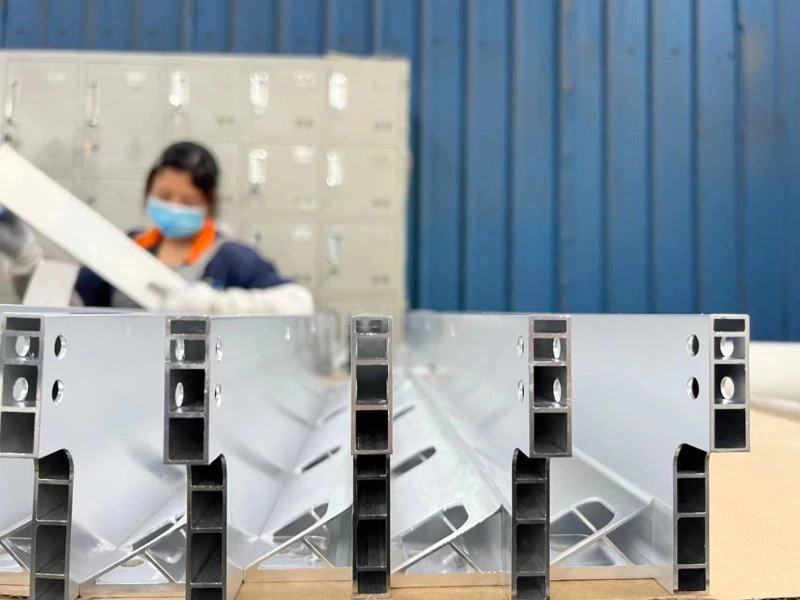
Aluminum End Plates and Side Plates
In the traditional square battery module of new energy vehicles, the outer frame is formed by enclosing and welding the end plate and the side plate, with adhesive applied to the sides of the cells and the side plates. The CTP (cell-to-pack) square battery module replaces the side plates with straps and bonds the large surfaces of adjacent cells, while the end plates are commonly made of materials such as plastic, aluminum alloy, or magnesium alloy. For new energy vehicle battery end plates, aluminum alloy is generally chosen. Under conditions such as expansion, vibration, and impact, the end plates of the CTP module are subjected to less stress compared to traditional square battery modules, making it easier to achieve lightweight design.
The automotive industry is steadily advancing towards sustainability with the integration of new energy vehicles (NEVs). A pivotal component in these vehicles is the battery, which relies on its end plates for efficient functioning. Aluminum profile end plates stand out as a superior choice due to various benefits they offer. Here are the compelling advantages that make aluminum profile end plates the go-to material for NEV battery applications.
Long Service Life:
Aluminum alloy shells have gone through simulated aging tests, which show a lifespan of over 20 years. This duration substantially exceeds that of traditional materials like metal, ensuring a long-lasting performance for the battery.

Fire Resistance, Smoke-Free, Non-Toxic:
Aluminum material boasts an FV0 fire retardancy level. When subjected to high temperatures, it produces a low level of smoke, rated at Class 15, and the emitted fumes are non-toxic, bearing a toxicity level of ZA1 (quasi-safety level one).
Explosion Proof:
An additional layer of safety is provided by the explosion-proof devices integrated into the aluminum shell cover plates. In scenarios where the internal pressure of the battery cell is excessive, these mechanisms autonomously activate to release pressure, effectively preventing explosions.

Aging Resistance:
Among metals, aluminum exhibits remarkable aging resistance. Tests have demonstrated that, regardless of location or climate region, the maximum surface aging thickness over 20 years is less than 50μm. Given that most housing minimum thicknesses are 5mm, the aging effect is less than 1% of the casing thickness, thereby having a negligible impact on its mechanical properties.
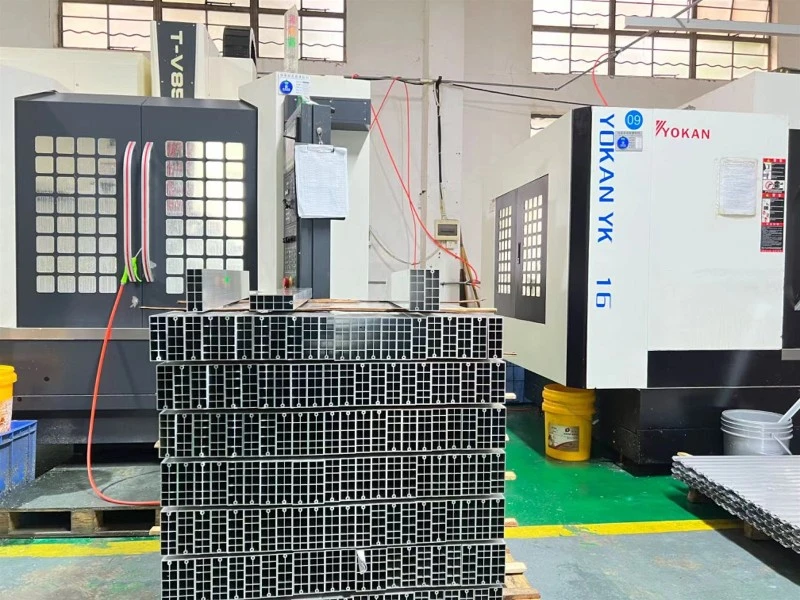
NEV battery modules critically rely on aluminum profile end plates to optimize structure and accelerate product development cycles. Their enduring performance, safety features, and resistance to aging solidify their position as a cornerstone in the advancement of new energy vehicles. Embrace the future with aluminum profile end plates – a choice that's beneficial not only for your vehicle but also for our environment.
Effective thermal management is pivotal for the longevity and safety of EV batteries. Kaixin Enterprise's cooling plates and battery pack heat sinks are engineered to excel in heat dissipation. The meticulously designed aluminum cooling solutions help maintain an even temperature distribution, thereby enhancing the battery's performance and lifespan.

Aluminum Battery Trays and Accessories

The aluminum battery trays provided by Kaixin offer a robust housing for batteries, simultaneously enabling a lightweight solution that adheres to the lightweight design philosophy of modern electric vehicles. These trays are integral to the safe and secure installation of battery packs, and their aluminum construction ensures superior corrosion resistance and heat conduction.
Kaixin's commitment to quality and innovation is evidenced by its impressive array of certifications, including IATF 16949, SGS, EN 15085, ISO 14001, and ISO 90001, all of which speak to the company's dedication to best-in-class products. Their extensive portfolio of applied invention patents further highlights Kaixin's forward-thinking in product development and design.
In the grand scheme of China's surge in the EV sector, the manufacturing of superior quality aluminum components like those provided by Kaixin Enterprise is essential. These components not only boost Xiaomi SU7's unmatched vehicle performance but also reflect the ongoing industry-wide objective of building a sustainable future in transportation. Such advancements pave the way for a burgeoning innovation path in the production of parts for new energy vehicles, fueled by the success of trailblazers like the Xiaomi SU7.