

Hey there! As a heat sink supplier, I've seen firsthand how crucial it is to understand every little factor that can impact heat sink performance. One aspect that often gets overlooked but plays a huge role is the airflow direction. In this blog post, I'm gonna break down how airflow direction affects heat sink performance and why it matters for your cooling needs.
Let's start with the basics. A heat sink is designed to transfer heat away from a hot component, like a CPU or a power transistor, to the surrounding air. The more efficiently it can do this, the better it can keep the component cool and prevent overheating. Airflow is a key part of this process because it helps carry the heat away from the heat sink.
There are two main types of airflow directions: parallel and perpendicular. Parallel airflow means the air moves in the same direction as the fins of the heat sink. Perpendicular airflow, on the other hand, means the air moves across the fins at a 90-degree angle.
Parallel Airflow
When the airflow is parallel to the fins of the heat sink, it creates a smooth path for the air to flow through. This allows the air to come into contact with a large surface area of the fins, which is great for heat transfer. The air picks up the heat from the fins and carries it away, keeping the heat sink and the component cool.
One of the advantages of parallel airflow is that it can be more efficient in terms of pressure drop. Pressure drop refers to the loss of air pressure as it moves through the heat sink. A lower pressure drop means that the fan doesn't have to work as hard to push the air through the heat sink, which can save energy and reduce noise.
However, parallel airflow also has its limitations. If the airflow speed is too low, the air may not be able to carry away the heat effectively, leading to a buildup of heat on the heat sink. Additionally, if the heat sink has a large number of fins or a complex fin design, the airflow may become turbulent, which can reduce the efficiency of heat transfer.
Perpendicular Airflow
Perpendicular airflow can also be effective in transferring heat. When the air moves across the fins at a 90-degree angle, it creates a more turbulent flow, which can help mix the hot and cold air and improve heat transfer. This can be especially beneficial for heat sinks with a large number of fins or a complex fin design.
Another advantage of perpendicular airflow is that it can be more effective in cooling components that generate a lot of heat in a small area. The perpendicular airflow can target the hot spots directly and remove the heat more quickly.
However, perpendicular airflow also has its drawbacks. It can create a higher pressure drop compared to parallel airflow, which means the fan has to work harder to push the air through the heat sink. This can increase energy consumption and noise levels. Additionally, if the airflow speed is too high, it may cause the air to bypass some of the fins, reducing the overall efficiency of heat transfer.
Impact on Different Types of Heat Sinks
The airflow direction can have a different impact on different types of heat sinks. For example, extruded heat sinks, which are made by forcing a heated aluminum alloy through a die to create a specific shape, are often designed to work best with parallel airflow. The straight fins of an extruded heat sink allow the air to flow through easily, maximizing heat transfer.
On the other hand, heat sinks with a more complex fin design, such as Vapor Chamber Extruded Heat Sink, may benefit from perpendicular airflow. The vapor chamber technology in these heat sinks helps to spread the heat evenly across the surface, and the perpendicular airflow can help remove the heat more effectively.
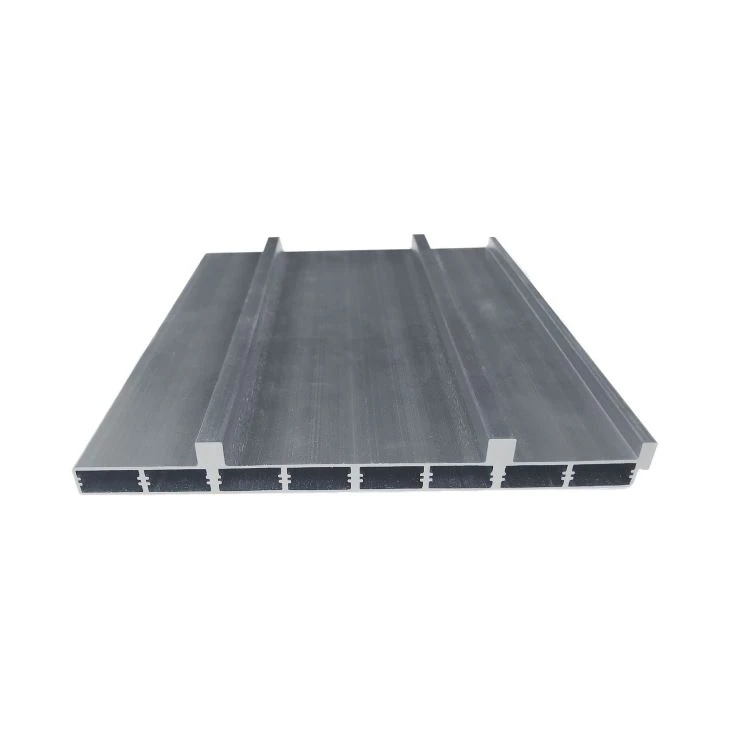
Aluminum Profile for 5G Signal Tower is another type of heat sink that requires careful consideration of airflow direction. These heat sinks are used in 5G signal towers, where they need to dissipate a large amount of heat generated by the electronic components. Depending on the design of the tower and the location of the heat sink, either parallel or perpendicular airflow may be more suitable.
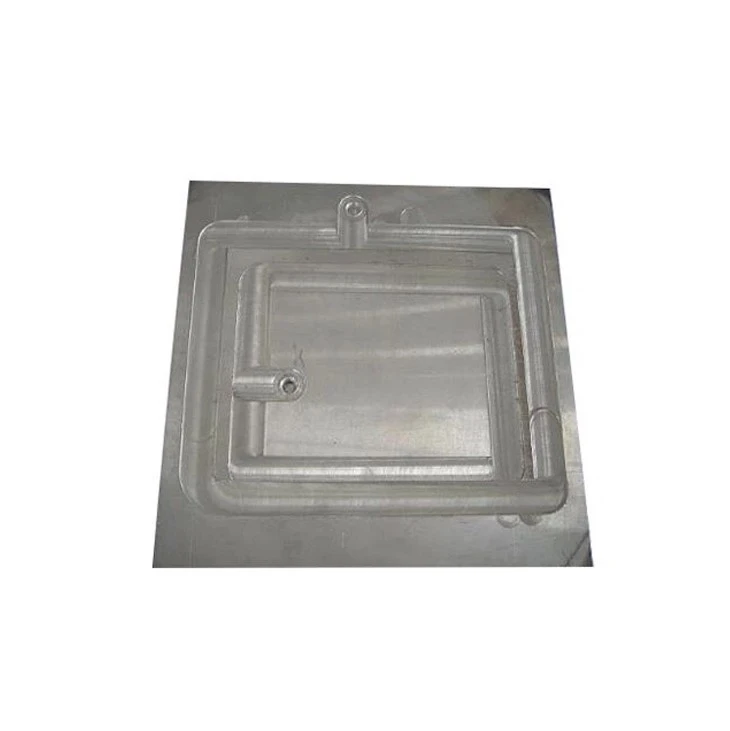
Liquid Cooling Plate is also affected by airflow direction. Liquid cooling plates use a liquid coolant to transfer heat away from the component, and the airflow can help to cool the liquid. The direction of the airflow can impact how effectively the liquid is cooled and how well the heat sink performs.
Choosing the Right Airflow Direction
So, how do you choose the right airflow direction for your heat sink? Well, it depends on a few factors. First, you need to consider the design of the heat sink. As I mentioned earlier, some heat sinks are designed to work best with parallel airflow, while others may benefit from perpendicular airflow.
You also need to consider the application. If you're cooling a component that generates a lot of heat in a small area, perpendicular airflow may be more effective. On the other hand, if you're cooling a larger component or a system with multiple components, parallel airflow may be a better choice.
Another factor to consider is the available space. If you have limited space, you may need to choose an airflow direction that allows the heat sink to fit properly. For example, if you have a narrow space, parallel airflow may be the only option.
Finally, you need to consider the fan. The type and size of the fan can impact the airflow direction and the performance of the heat sink. Make sure you choose a fan that is compatible with the heat sink and can provide the necessary airflow.
Conclusion
In conclusion, the airflow direction plays a crucial role in the performance of a heat sink. Whether you choose parallel or perpendicular airflow depends on the design of the heat sink, the application, the available space, and the fan. By understanding how airflow direction affects heat sink performance, you can make an informed decision and choose the right heat sink for your needs.
If you're in the market for a heat sink and need help choosing the right one, or if you have any questions about airflow direction or heat sink performance, don't hesitate to reach out. We're here to help you find the best solution for your cooling needs. Let's start a conversation and see how we can work together to keep your components cool and running smoothly.
References
- Incropera, F. P., & DeWitt, D. P. (2002). Fundamentals of Heat and Mass Transfer. John Wiley & Sons.
- Kays, W. M., & Crawford, M. E. (1993). Convective Heat and Mass Transfer. McGraw-Hill.
- Bergman, T. L., Lavine, A. S., Incropera, F. P., & DeWitt, D. P. (2011). Introduction to Heat Transfer. John Wiley & Sons.